Water & Environmental Engineering
Global Desalination Infrastructure Market: Reverse Osmosis Tech, Energy Recovery, and Municipal Water Plants
Comprehensive analysis of global seawater desalination facilities, SWRO technological advancements, energy recovery efficiency, and municipal project concessions.
SWRO Dominance
Seawater Reverse Osmosis accounting for over 80% of newly commissioned municipal desalination capacity.
Energy Recovery
Pressure exchanger ERDs reducing specific energy consumption below 3 kWh per cubic meter of water.
Solar Co-location
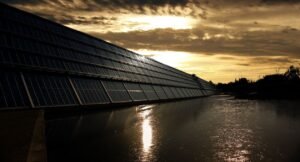
Integration of zero-carbon solar and wind generation to power energy-intensive desalination operations.
Mega-Project Concessions
Multi-million gallon per day (MGD) BOOT water purchase models expanding across arid regions.
Addressing Global Water Scarcity Through Advanced Desalination
Climate variability, industrial expansion, and urban population growth are accelerating global investments in seawater and brackish water desalination infrastructure. Transitioning away from legacy thermal distillation models, modern facilities rely on energy-efficient Seawater Reverse Osmosis (SWRO) technology. Water utility boards, engineering procurement construction (EPC) contractors, and membrane suppliers reference the Global Desalination Plants Database to baseline plant production capacities, track operational energy consumption metrics, and evaluate upcoming project concessions across the Middle East, North Africa, the Americas, and Asia-Pacific.
High-capacity SWRO plants are incorporating modern Isobaric Pressure Exchanger energy recovery devices (ERDs), high-rejection polyamide thin-film composite membranes, and variable frequency drives. These technological advancements have dramatically lowered the levelized cost of water (LCOW), making utility-scale desalination economically viable for coastal municipalities globally.
Key Operational Drivers in Seawater Desalination
Structural catalysts driving international water infrastructure investment include:
- Depletion of Natural Aquifers: Over-reliance on non-renewable groundwater forces agricultural and municipal authorities to develop climate-independent seawater supply lines.
- Decarbonization of Water Supply: Coupling large-scale SWRO facilities with dedicated solar PV and off-grid wind farms mitigates operational Scope 2 carbon emissions.
- Brine Concentration Technologies: Adoption of zero liquid discharge (ZLD) and resource recovery systems extracts valuable minerals from concentrated brine reject streams.
Access the Global Desalination Plants Database
Explore structured operational data, membrane specs, plant capacities, EPC contractor listings, and owner profiles for major desalination assets worldwide.
Membrane Chemistry and Energy Efficiency Breakthroughs
The economic feasibility of modern SWRO plants relies heavily on membrane lifespan and fouling resistance. Nano-structured and bio-mimetic membrane coatings are proving effective in reducing biofouling, extending chemical cleaning intervals, and maintaining high salt rejection performance under variable feed-water salinity levels.