Strategic Dynamics of the Asia-Pacific E-Commerce Logistics Market
Streamlining cross-border supply routes, scaling intelligent automated sorting centers, and refining multi-channel fulfillment solutions to satisfy evolving consumer demands.
Cross-Border Flows
Complex regional customs systems require integrated digital clearance steps to prevent long delays at major transit ports.

Intelligent Sortation
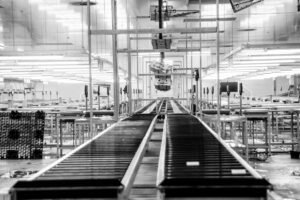
High-volume regional hubs are deploying AI-managed conveyor loops to sort packages rapidly while keeping operational error rates low.

Micro-Fulfillment
Repurposing urban real estate assets into small micro-fulfillment centers allows logistics teams to meet same-day delivery windows.

Green Last-Mile
Strict emissions rules across major Asian cities are driving significant fleet transitions toward corporate electric cargo delivery setups.
The Velocity Engine: Inside the Asia-Pacific E-Commerce Logistics Mega-Trend
The massive scale of web-based retail across Asia-Pacific continues to transform international commerce blueprints. Driven by soaring consumer activity levels, the Asia-Pacific E-Commerce Logistics Market is building next-generation infrastructure networks capable of handling billions of global order parcels every single quarter.
From complex urban distribution routes in Tokyo to large-scale rural distribution challenges across India and Indonesia, the entire system relies on end-to-end visibility and automation.
Key Pillars Directing APAC Supply Network Transformation
Several institutional developments and operational realities are modifying logistics strategies across the region:
- Unified Cross-Border Trade Technology: Shippers are abandoning fragmented paperwork streams, adopting centralized cloud trade portals to automate customs clearance and minimize port delays.
- The Expansion of Localized Micro-Fulfillment: To meet demanding express delivery schedules, modern operators are setting up small micro-distribution points inside key urban zones.
- Adopting Alternative Commercial Vehicle Fleets: Facing strict emissions targets in major metropolitan centers, enterprise networks are scaling up their electric delivery bike and van operations.
Opportunities for Industrial Landowners and Supply Chain Integrators
The main long-term value lies in providing smart, warehouse-ready facilities that seamlessly connect autonomous sorting machinery with current inventory management systems. Overcoming structural space constraints through smart vertical storage designs will define successful operators in this sector.
“For an exhaustive analysis of regional statistics, stakeholder profiles, and precise projections across the forecast period, explore our complete Asia-Pacific E-Commerce Logistics Market Research Report.”