
The demand in the automobile sector has been at an all-time high as compared to the supply. Overall, domestic automobiles sales increased at a CAGR of 1.3% between FY16-FY20 with 21.55 million vehicles being sold in FY201 alone. The growing demand can be attributed to rise in personal mobility due to Covid coupled with the festive purchase. Although the recently launched models have witnessed an increase in the number of bookings, the waiting period for the buyers has been increasing due to the demand-supply mismatch.
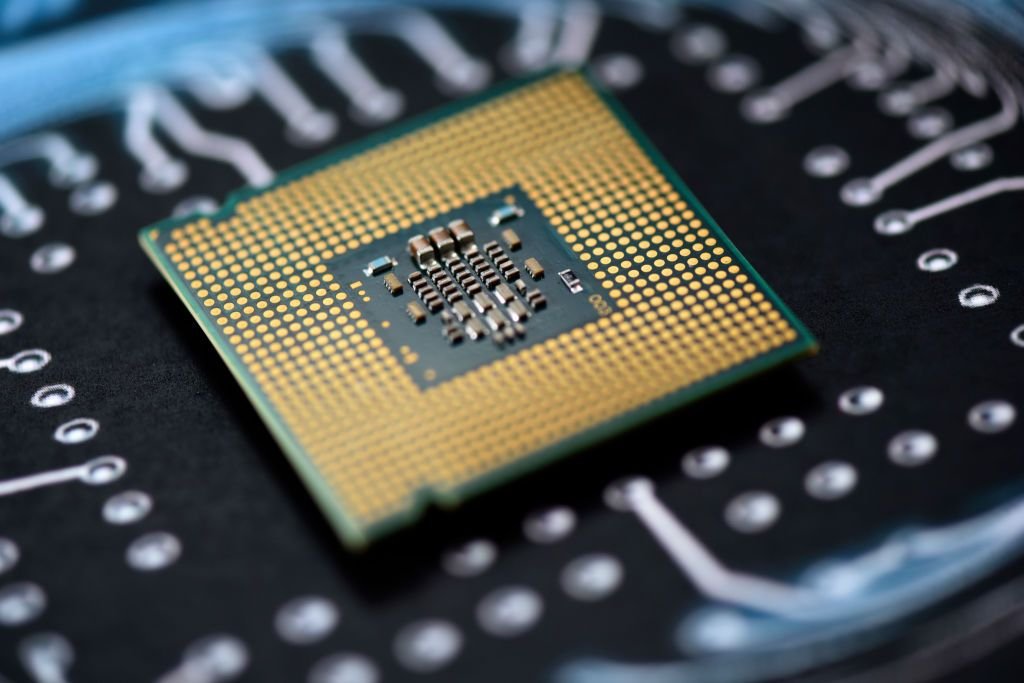
The long waiting periods can be attributed to the shortages of semiconductor chips in the industry. As a result, the dealers are not able to meet deadlines leading to a demand-supply mismatch. Despite the delays, the market is still open for bookings, regardless of the fact that it is still unclear when car manufacturers will be able to deliver the previous lot.
Reason for Shortage
Like all the other sectors, the Automobile Industry has faced the worst financial setbacks due to the present coronavirus pandemic. Crucial chip-making facilities in countries including Japan, China, South Korea, and the US were forced to shut at starting of the year 2020. There was a huge impact on production in these countries and due to this, the supply was affected at the global level. Shipping companies cut their schedules in response, anticipating a drop in demand for transporting goods around the world. This led to a chain of events creating a pile of demand followed by deprivation in supply. Another major factor was an increase in demand for laptops and other electronic devices due to the work-from-home situation.
According to Moore’s law, the number of transistors in a dense integrated circuit double about every two years. This increase in consumption of semiconductor chips in automobiles over the years is partly responsible for the shortage.
Impact on India
The global chip crisis has had a significant impact on India as the chip is not produced in India. We are entirely reliant on imports for this. There is a shortage of everything in the market right now, from cars to laptops, due to a lack of chips. Major automobile manufacturers such as Maruti, Hyundai, and Mahindra are unable to meet their customers’ expectations.
Future Scenario
Almost every other auto company, in India and elsewhere, faces the same challenges. The timing, on the other hand, could not have been worse in India, where the festive season typically sees a surge in demand. However, delayed production cycles may eventually result in canceled orders or, at the very least, purchase plans being pushed to next year.
When India entered the 42-day festive in October, the market witnessed an 18% drop in sales. While dealers have increased their inventory in the two-wheeler category, PV inventory is at the lowest during this fiscal year due to the ongoing semiconductor crisis.
According to estimates, the full recovery of auto chip supply will take until the fourth quarter of this year, and possibly until 2022, making industry volume recovery in the second half of this year even more difficult. There are also indications that semiconductor suppliers will be able to absorb demand based on light vehicle production forecasts for 2021, particularly in the second half. As a result, PV sales are likely to stagnate going ahead even though OEMs are coming ahead with new launches to keep customers excited. The road ahead is filled with challenges as factory production cycles are reworked and a cautious approach is emphasized as the best way forward.