
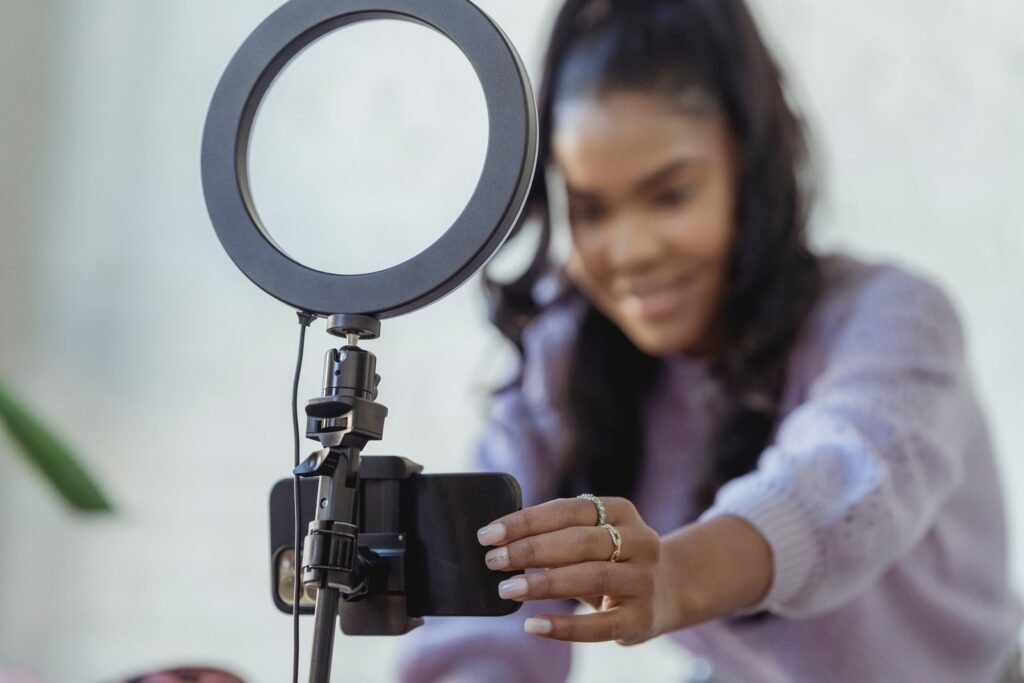
During this month, Myntra became one of the first major e-commerce platforms in the country to adopt the influencer-driven live commerce platform ‘M-Live’ to expand its online business. M-Live on Myntra’s own shopping App allowed influencers and experts to host live video sessions for a host of fashion and beauty products and styling concepts curated by them. These sessions, available on the Myntra app, now enable viewers to shop instantly from the live stream, thereby facilitating a real-time engagement between consumers and brands.
Myntra’s data-backed understanding of customer buying trends, along with the influencers’ expertise and understanding of the domain, made this event quite successful. Walmart-owned Flipkart will also launch its live commerce platform soon. The e-commerce company had last month announced its partnership with homegrown short video platform Moj to enable video and Live Commerce experiences to engage the next 200 million e-commerce customers.
American retailer Walmart has been investing in live shopping by hosting events across social platforms such as TikTok and YouTube in a massive way. On November 28, it will debut Twitter’s first-ever shoppable live stream where users will be able to watch a live broadcast, shop the featured products and join the conversation around the event by posting tweets. No surprise that Google’s YouTube, Facebook, and Twitter are also experimenting with this format by conducting various live shopping events on their respective platforms in the United States.
Indian advertising is also poised to make huge inroads into the live creator-driven commerce space especially for the younger population. The live or video commerce segment in India is still in its nascent stage but has a huge potential to be the next big thing in the content space considering mobile and data penetration in the hinterland and Indians’ obsession with the video formats. It may reach USD 4-5 billion Gross Merchandise Value (GMV) by 2025 as per few industry reports. Consumers are moving from traditional transactional e-commerce environments to one that incorporates social engagement, fun, and storytelling at the core of customer experience. Other Indian e-commerce players which are using live commerce include Bulbul and Simsim.
Mobile shopping has dramatically changed the digital ads segment. Traditional commerce is still popular but the ongoing pandemic has changed the consumers’ behaviors totally. India has a huge potential for this platform as we have a very strong celebrity culture. Celebs are using their own social media platforms to further the brands and monetize or join the live sessions of the brands where both can monetize. Both formats will continue to grow since mobile payment is rising fast.
In India, out of 1.3 billion people, a third (more than 400 million) already had access to social media before the pandemic. This number has surely skyrocketed in the last 18 months and there is a significant shift in consumer behavior that is the real fuel for the growth of the segment. Over the last few years, brands have shown significant interest in influencer marketing. The pandemic has accelerated the adoption of influencer marketing by brands making it an integral part of the brand marketing strategy and is now an important part of our media mix recommendation to brands. The key factor that has got brands interested is the bond of trust and authenticity that influencers share with their audiences, thus helping brands associate with an influencer to leverage the same.
Personal care 25%, F&B 20%, Fashion & Jewellery 15% and Mobile and electronics 10%; contribute 70% volume of influencer marketing. On the influencer radar, celebrities contribute 27% while influencers contribute 73%. Nearly two-thirds of the Indian population follow an influencer. Brands can probably interpret that influencers and creative storytelling correlate with brand differentiation, a key advantage as attention spans get shorter.
Influencer marketing industry is at a point of inflexion and can take off, subject to the industry initiating to measure, quantify and make investments in influencer marketing accountable.
Source: Industry Articles. Statista