
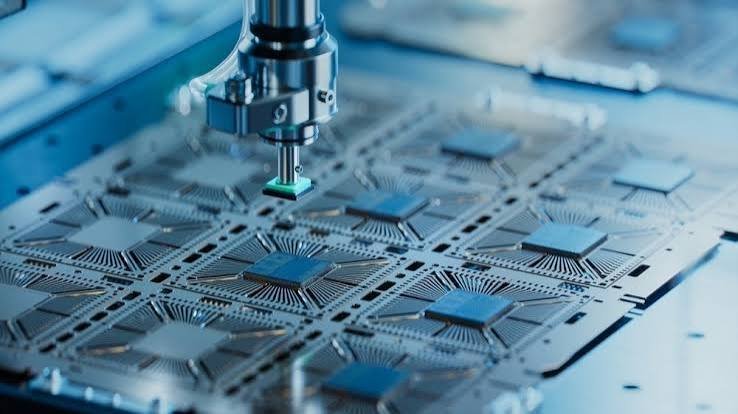
Semiconductor & High-Tech Industry
Malaysia Semiconductor Assembly & Test Ecosystem: Advanced Packaging, OSAT Growth, and Fab Investments
Comprehensive analysis of Malaysia’s semiconductor manufacturing ecosystem, OSAT capacity, advanced chip packaging developments, and supply chain capabilities.
OSAT Leadership
Malaysia handles approximately 13% of the global semiconductor assembly, testing, and packaging market.
Advanced Packaging
Substantial capital expenditure in 2.5D/3D chiplet packaging, flip-chip, and wafer-level packaging (WLP).
Penang & Kulim Clusters
Densely integrated industrial ecosystems offering specialized engineering talent and logistics hub access.
Front-End Transition
Strategic policies encouraging upward value-chain expansion into wafer fabrication and IC design.
Malaysia’s Critical Role in the Global Semiconductor Supply Chain
Malaysia has established itself as a cornerstone of the global microelectronics supply chain, controlling a major share of international outsourced semiconductor assembly and test (OSAT) operations. Anchored by mature high-tech manufacturing ecosystems in Penang and Kulim, the nation is aggressively attracting next-generation backend and front-end investments. Semiconductor executives, supply chain strategists, and component procurement directors reference the Malaysia Semiconductor Manufacturing Database to evaluate fab capabilities, OSAT capacities, substrate suppliers, and equipment maintenance networks across the country.
Driven by global demand for AI accelerators, automotive chips, and 5G communications, Malaysian assembly and testing facilities are transitioning toward advanced packaging models. Investments in SiP (System-in-Package), fan-out wafer-level packaging (FOWLP), and high-density substrates are elevating the region’s technical capabilities.
Catalysts Driving Malaysia’s Microelectronics Sector
Strategic factors supporting continued growth in Malaysia’s semiconductor footprint include:
- National Semiconductor Strategy (NSS): Focused government incentives, infrastructure grants, and workforce development initiatives targeted at attracting high-value chip foundries and design houses.
- Supply Chain Diversification: Global tech companies seeking resilient supply chains are expanding production capacity across Malaysian technology parks.
- Tier-1 Supplier Density: Highly integrated ecosystem of local automated test equipment (ATE) makers, leadframe suppliers, and precision engineering vendors.
Access the Malaysia Semiconductor Manufacturing Database
Unlock exhaustive facility listings, technical capabilities, packaging specializations, cleanroom specifications, and corporate ownership profiles across Malaysia’s chip sector.
Automated Test Equipment and Substrate Supply Networks
The strength of Malaysia’s semiconductor sector extends beyond assembly plants to a robust ecosystem of domestic Automated Test Equipment (ATE) and precision machining companies. Local equipment vendors provide customized handling, optical inspection, and thermal testing solutions to global OSAT leaders, building a highly resilient supply network.